Servicing
Servicing and maintenance
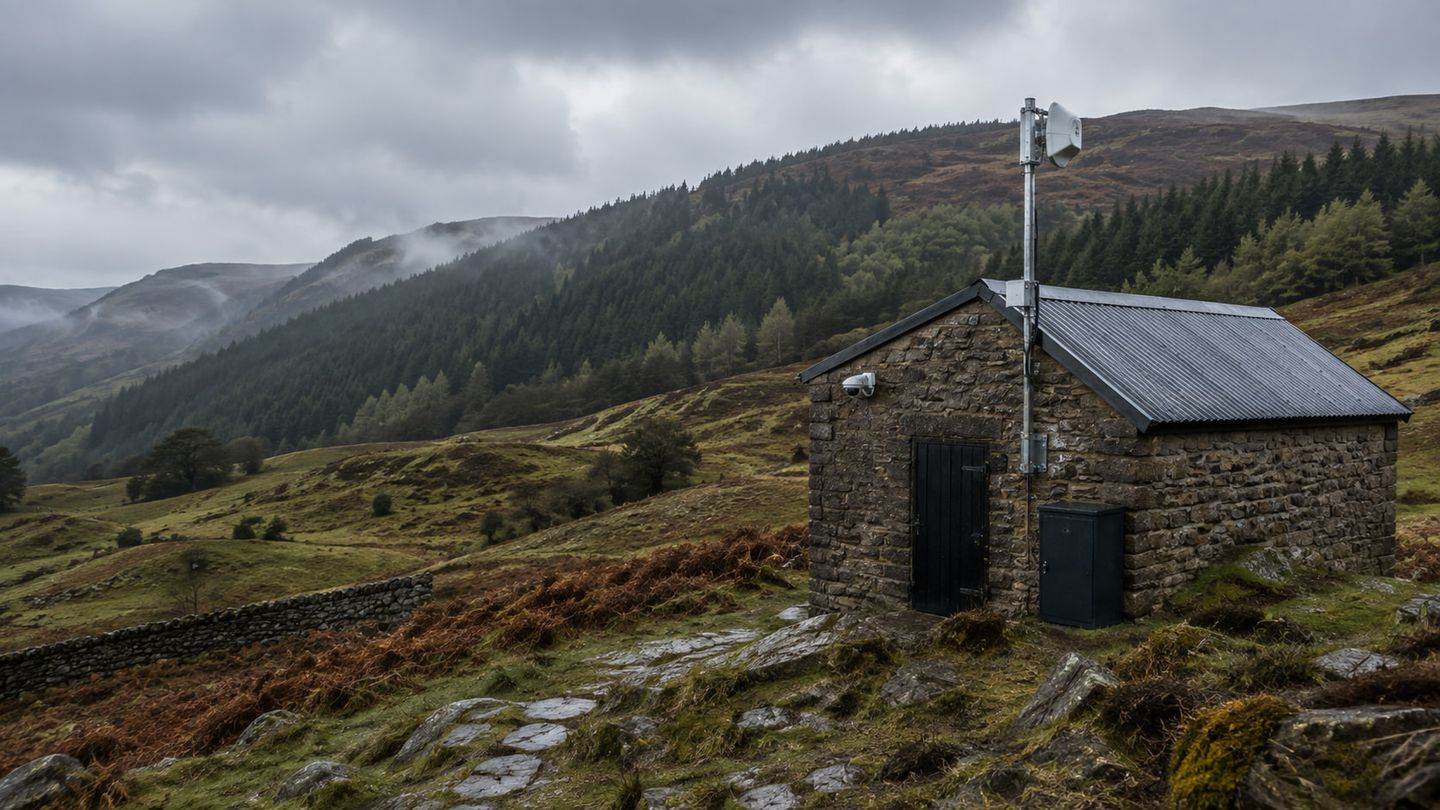
Rural installations weather harder than commercial ones and they fail quietly. Most of the systems we are called to look at have not broken. They have just stopped being able to see anything useful.
The awkward truth about security equipment on a farm or a yard is that it is outdoor machinery. It sits in weather, in dust, within reach of animals and machinery, at the end of a cable somebody may drive a post through. It needs looking at.
A system nobody has been near for four years is usually still showing a picture on a screen. Whether that picture would identify anybody, and whether it is still recording for as long as you think, are different questions.
How rural systems degrade
Five things we find on nearly every first visit.
Lenses film over
Dust off a track, muck off a yard, salt in coastal air and spiders that build across a housing every summer. A camera that was sharp in May can be a grey blur by September, and nobody notices until they need the footage.
Seals perish and water gets in
Driving rain from one prevailing direction, sun on a south-facing gable and hard frost work through gland seals and cable entries. Water in a housing or a junction box is the single most common cause of a rural camera failing.
Vegetation grows into the shot
A hedge or a branch that was well clear of a camera view in March fills a third of the frame by August, and moving in wind it will also trigger every motion alert you have.
Batteries and standby supplies age
Panel standby batteries, wireless detector cells and solar storage all degrade to the point where a short power cut becomes a real gap in cover. They fail quietly, which is the problem.
Things get knocked
Loader buckets, trailers reversing, a bullock using a post as a scratcher, and a camera nudged fifteen degrees off aim. Still recording, still online, no longer looking at the gateway.
What a maintenance visit covers
Planned visits
Cameras cleaned, aim checked against the original plan, housings and seals inspected, detection walk-tested, batteries and standby supplies checked, recording and retention verified, and remote access confirmed to still work.
A written record
Test records and a logbook for each visit, which matters if you have an insurer or a fire risk assessment that expects to see servicing evidence.
Fault response
Somebody to call when something stops, with 24/7 emergency call-out for a system that has failed rather than a light that needs a bulb.
Systems we did not install
We take on maintenance for existing systems where the equipment is current and serviceable. If a panel or a recorder is obsolete and unsupported we will tell you that at the first visit rather than take a contract for something we cannot keep running.
Changes as the site changes
A new building, a new gateway, a livery who has left and needs a fob cancelling, a camera to add now the machinery has moved. Small changes handled without starting the whole conversation again.
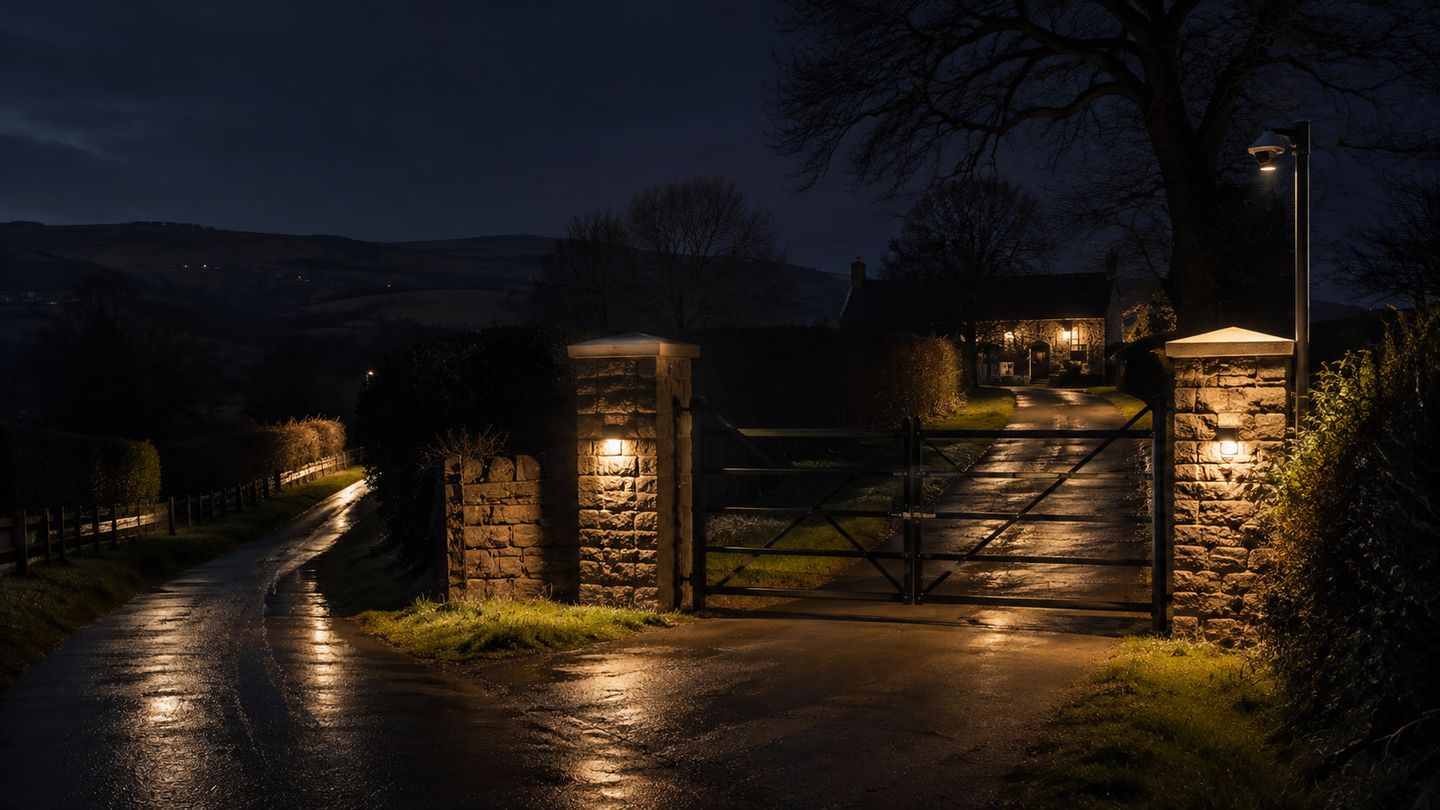
It weathers faster out here
A system nobody has looked at in three years is a system nobody should be relying on.
Book a Security SurveyIn practice
What actually degrades, and where.
Rural kit lives outdoors in weather, dust and ammonia. Almost everything that fails does so gradually, which is why it is usually discovered on the night it was needed.
On an equestrian yard
Lenses fogged by wash-down and dust, housings and seals attacked by ammonia in the barn aisle, and detection knocked out of aim by a rug rail or a loose horse. Batteries in tack room devices are on a replacement schedule rather than replaced when they fail.
View equestrian securityOn a working farm
Cobwebs and chaff on lenses, cabling chewed or caught by a loader bucket, aerials moved by wind, and gate hardware working loose. Wireless links get a signal test rather than a look, because a degrading link works right up until it does not.
View farm securityOn a rural estate
Multiple buildings, several ages of equipment and often more than one previous installer. A maintenance visit starts by writing down what is actually there, which is frequently the first time anyone has.
View rural estates
Questions we get asked
How often should a rural system be serviced?
Once a year covers most sites, and twice a year suits exposed positions, coastal sites and anywhere with a lot of dust. Monitored and fire systems have their own inspection frequencies tied to the relevant standard, and those are not optional.
Will you maintain a system another company installed?
Usually yes, after a survey to see what is actually there and what condition it is in. What we will not do is take a maintenance contract for equipment that is beyond support, because it means charging you for visits that cannot fix the next fault.
What counts as an emergency?
A system that has failed, an alarm that will not reset, a gate stuck closed, or a recorder that has stopped recording. A camera view that needs adjusting is a planned visit. We would rather be clear about the difference than have you wait on hold about a cobweb.
Do I have to have a contract?
No. We will attend on a call-out basis. A contract exists because it makes the visits happen on schedule rather than when someone remembers, and because it is what an insurer or a fire risk assessment usually wants to see evidence of.
Related systems
Systems we maintain
Most sites end up with two or three of these working together. Each has its own page.
CCTV
Cameras that read a number plate at the gate and a person at the barn door, in the dark, in the rain.
Intruder alarms
Detection zoned around tack rooms, workshops and fuel stores, set up so livestock and weather do not trip it.
Access control & gates
Entry that survives twenty liveries, a farrier, a vet and a feed delivery, without a key under the water trough.
Remote monitoring & connectivity
Getting a picture off a building with no broadband, and getting a response when something happens at 3am.
Fire detection
Early warning in stable blocks, hay and straw stores and workshops, where a fire is unsurvivable within minutes.
Next step
Have an existing system looked at
If you already have equipment and are not sure whether it still does what you bought it for, we will survey it and tell you plainly what is worth keeping, what needs attention and what is beyond support.