Fire detection
Fire detection for stables, barns and farm buildings
Of everything on this site, this is the one where the loss is not measured in pounds. In a stable block, the value of detection is entirely in how many minutes it buys you.
Fire detection is a long-standing capability of Secure Systems, designed to BS 5839 and installed with the test records and certification that go with it. What changes on a rural site is not the standard, it is the building.
A stable block, a hay barn and a machinery shed each present a fire problem that an office does not, and each defeats a detector chosen for an office. The survey is about matching detection to the span, the dust, the temperature and the time it will take to get animals out.
The risk on a rural site
Why a barn is not an office with a bigger roof.
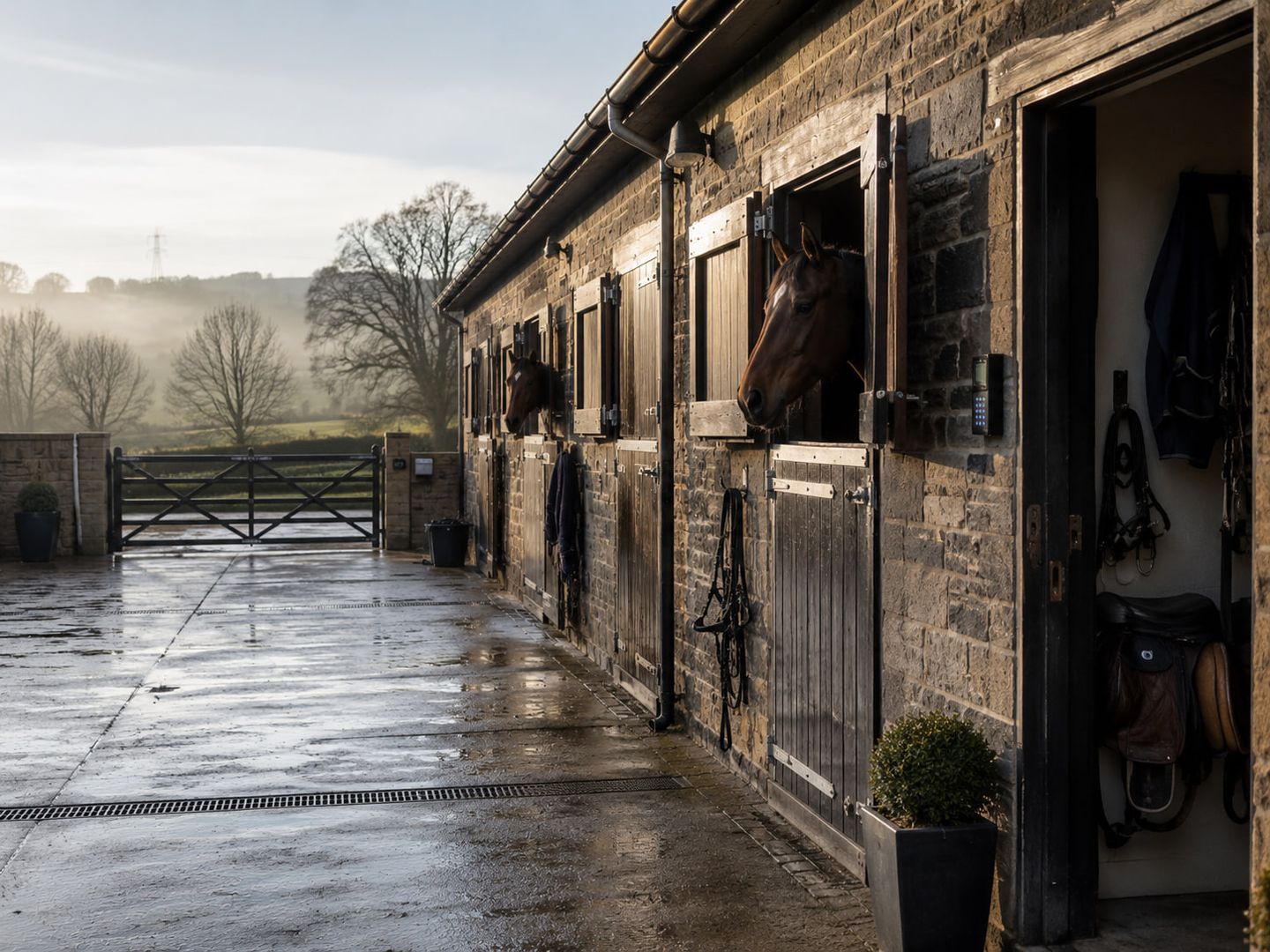
A stable block burns faster than you can empty it
Timber, bedding, rugs, hay in the aisle and a stack of straw at one end. Fire in that environment develops in minutes, and getting horses out of it takes longer than most people assume until they have tried. Detection is only useful if it goes off early enough to matter.
Hay and straw catch fire without a source of ignition
Baled forage stored damp heats internally and can ignite spontaneously weeks after it goes in. It is one of the few fire risks that arrives with no obvious cause, and heat detection in a stack area is a genuinely different problem from smoke detection in an office.
Farm buildings are full of ignition sources
Grinding and welding in the workshop, dust, machinery left charging, older wiring in buildings converted several times, and rodent damage to cable. The fire nearly always starts somewhere other than where the loss occurs.
The brigade is a long way off
Rural attendance times are longer, water supplies are further away, and a track that suits a tractor may not suit an appliance. That shifts the value heavily toward early detection and early evacuation rather than toward containment.
Dust, cobwebs and cold defeat ordinary detectors
A domestic smoke detector in a barn will either be filthy and blind within a season or false alarming constantly. Detector type and siting for agricultural buildings is its own specification.
How the system gets built
Detection matched to the building
Heat detection where dust makes smoke detection useless, smoke detection where it is appropriate, and aspirating or beam detection in large open spans where a point detector would never see anything in time. The building decides, not the catalogue.
Alerting that reaches somebody
Sounders where people are, and a signal to a phone or a monitoring centre for the hours when nobody is on site. A sounder in an empty yard at two in the morning is a record of the fire, not a warning about it.
Compliance where you employ people
Where a building is a workplace, fire detection falls under the Regulatory Reform (Fire Safety) Order and your fire risk assessment sets what is required. Secure Systems designs to BS 5839 and provides the certification, test records and logbook that go with it.
Integration with what is already there
Fire detection can share infrastructure and monitoring with the security system, so a single visit covers both and there is one point of contact when something needs attention.
Minutes, not pounds
In a stable block the value of detection is entirely in how many minutes it buys you.
Explore remote monitoringIn practice
Where fire detection earns its place.
Agricultural and equestrian buildings are a hard environment for detection: dust, hay, cold, and a fire load that goes from nothing to unsurvivable in a few minutes.
On an equestrian yard
Stable blocks, hay and straw stores, rug rooms and the barn aisle, with detection chosen for dust rather than for an office ceiling. Sounders sited so the alarm reaches the house and the cottage, not only the empty yard.
View equestrian securityOn a working farm
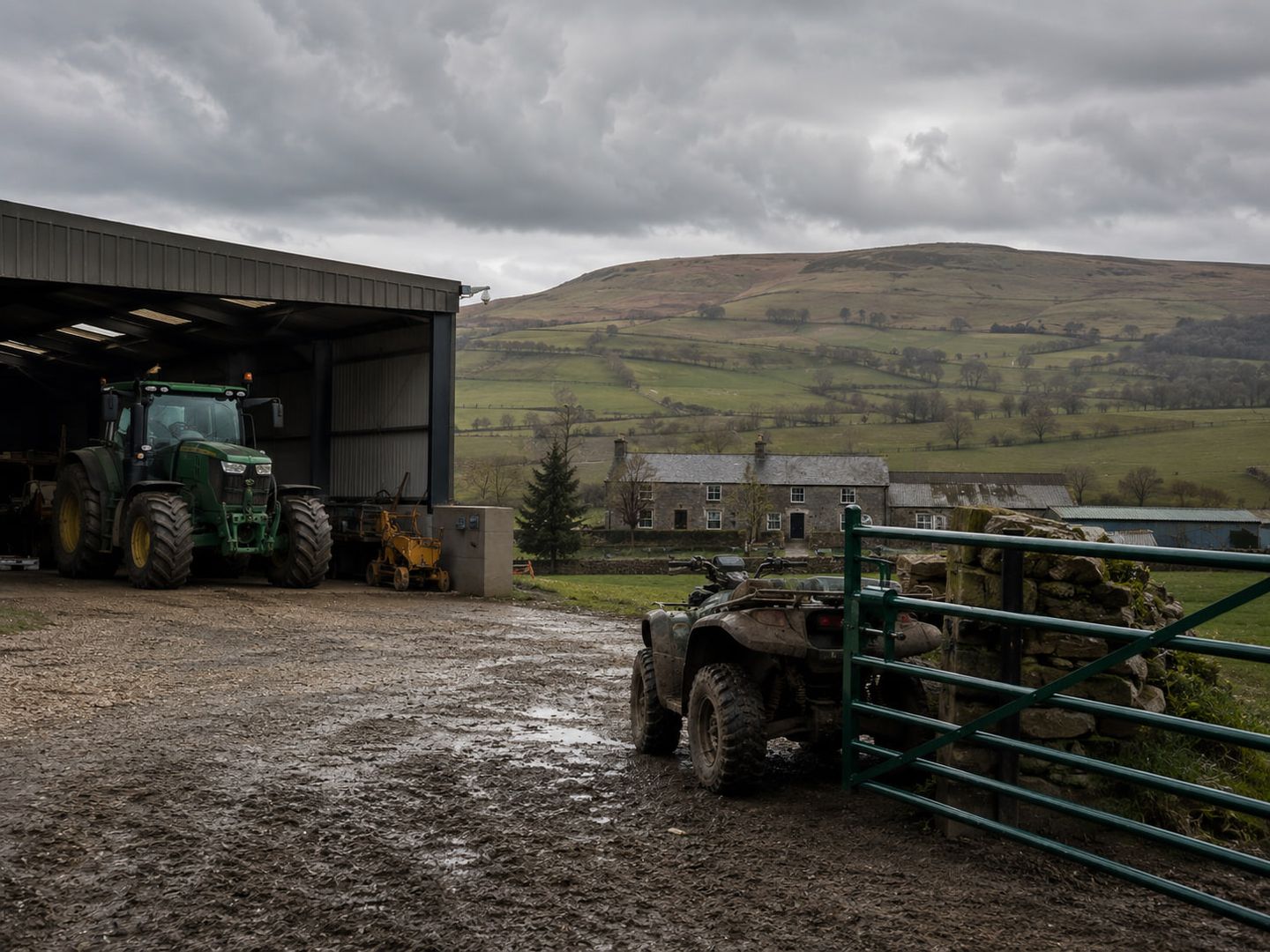
Workshops, grain stores and machinery sheds, where hot work, batteries and fuel sit under one roof. Detection is specified for the building it is in, and we will say plainly where a domestic smoke alarm is not an appropriate device.
View farm securityOn a rural estate
Houses, staff cottages, holiday lets and estate offices, where the letting obligations are different from the domestic ones. Systems are designed and installed to BS 5839 and the certification says which part.
Questions we get asked
Do I legally need a fire alarm in my stables?
It depends on what the building is used for. A purely private yard is treated differently from one where you employ staff, take liveries or run a business, which brings the building within fire safety legislation and means your fire risk assessment determines what is needed. We can advise on detection; the risk assessment itself is a separate piece of work and we will say so rather than blur the two.
Will dust and cobwebs set it off?
Not if the detection type suits the building. That is precisely why heat detection is used in dusty spans rather than smoke detection. Getting this wrong is the main reason agricultural fire systems get isolated and forgotten.
Can it alert me at the house or on my phone?
Yes. Signalling to a phone, and where appropriate to a monitoring centre, is normally the most valuable part of a rural fire system, because the hours of greatest risk are the hours when nobody is in the yard.
Can you detect heating in a hay stack?
Detection in a stack area is possible and is a real specification, but managing forage moisture and stack temperature is a husbandry control first. We will fit detection and we will also tell you it is the second line rather than the first.
Do you service fire systems as well?
Yes, including systems installed by others where the equipment is current. Fire detection needs periodic inspection and testing to stay compliant and to stay working. See servicing and maintenance.
Related systems
What fire detection usually sits alongside
Most sites end up with two or three of these working together. Each has its own page.
CCTV
Cameras that read a number plate at the gate and a person at the barn door, in the dark, in the rain.
Intruder alarms
Detection zoned around tack rooms, workshops and fuel stores, set up so livestock and weather do not trip it.
Access control & gates
Entry that survives twenty liveries, a farrier, a vet and a feed delivery, without a key under the water trough.
Remote monitoring & connectivity
Getting a picture off a building with no broadband, and getting a response when something happens at 3am.
Servicing & maintenance
Lens cleaning, seal checks, battery replacement and signal tests, because rural kit weathers faster.
Next step
Talk to us about a building you are worried about
Usually it is one building: the stable block, the forage store or the workshop. Start there. We will survey it, tell you what detection suits it, and be clear about where a fire risk assessment is the thing you actually need first.