Farm & rural
Farm and rural security systems
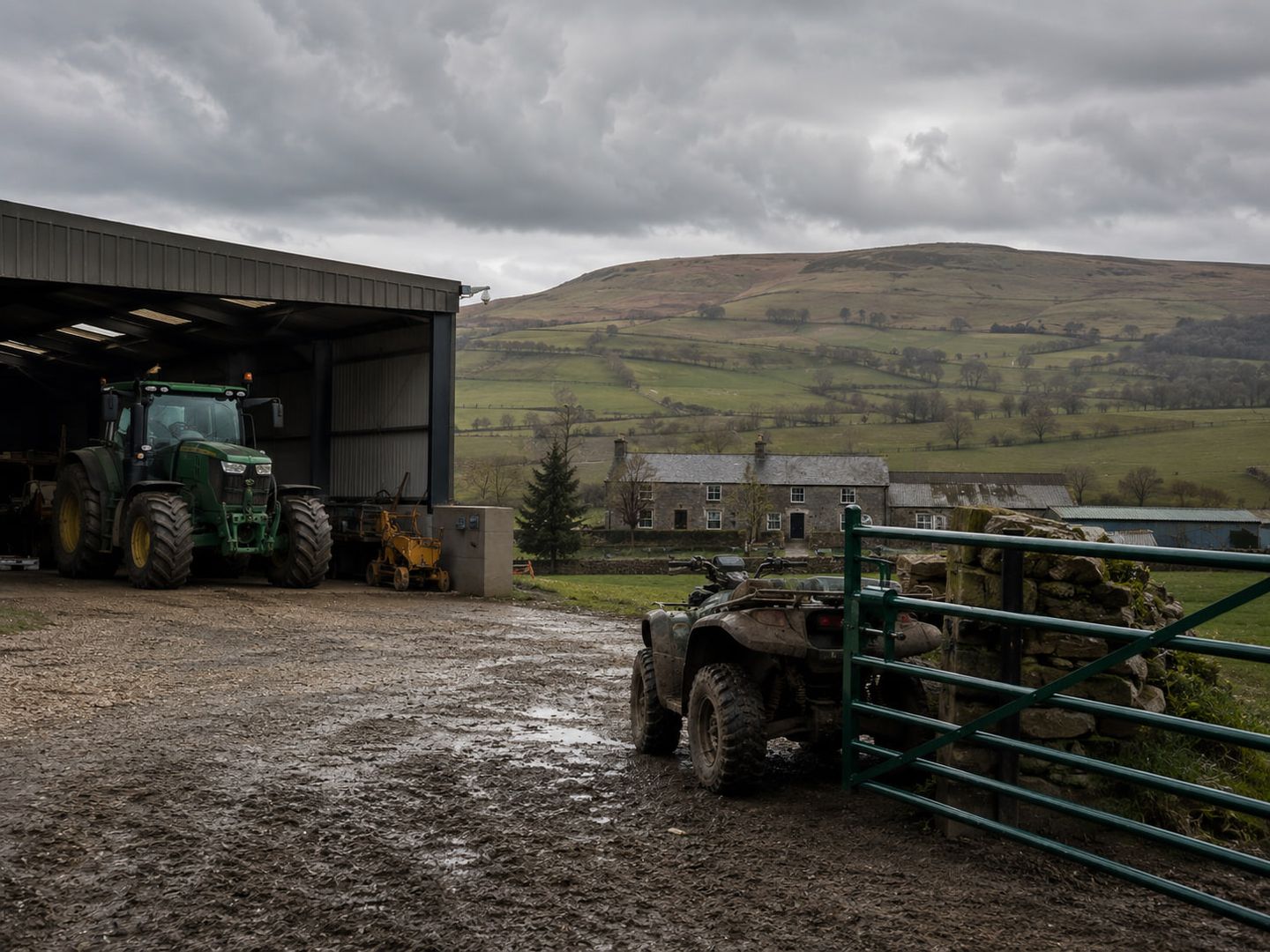
A working farm is several separate security problems that happen to share a postcode. The workshop, the fuel tank, the machinery shed and the stock buildings each carry a different risk and sit a different distance from the house.
Rural crime cost Wales an estimated £2.2 million in 2025, down 21 per cent on the year before. The overall fall hides where the pressure moved: quad and ATV theft and livestock theft both rose.
The pattern most farms describe is the same. Somebody comes down the lane and has a look. Nothing happens. A week or a month later they come back with a van or a trailer and take a specific thing they saw. Security that only reacts once someone is inside a building is arriving at the second visit, which is the wrong visit to be ready for.
Work is carried out by Secure Systems, an SSAIB certified security installer, from a base at Abersychan in Torfaen.
- Cost of rural crime in Wales, 2025
- £2.2m
- UK quad and ATV theft, year on year
- +31%
- UK livestock theft, year on year
- +30%
Source: NFU Mutual Rural Crime Report 2026, covering 2025 claims.
What gets taken
The five things that come up in nearly every survey.
Machinery, quads and ATVs
Quad and ATV theft reported to NFU Mutual rose 31 per cent across the UK in 2025, to an estimated £3.5 million. They are stored in the building furthest from the house, they start without a key on many holdings, and they fit in a transit.
Fuel
A red diesel tank is a standing invitation and the loss is rarely a one-off. Tank theft usually follows a look around, which is why detection at the tank matters less than a camera that captured the vehicle two nights earlier.
Trailers, plant and GPS
Anything with a towbar or a quick-release bracket moves fast. GPS guidance units are small, valuable and easy to sell on, though reported losses fell sharply in 2025 after joint work between police, farmers and insurers.
Livestock
Livestock theft rose by almost 30 per cent across the UK in 2025 and by nearly 7 per cent in Wales. It happens at handling points: the pens, the race, the loading area and the gateway a lorry can reach.
The workshop
Hand tools, power tools, welding kit and spares add up to more than most people insure them for, and a workshop break-in usually stops work the next morning as well.
How we approach a holding
The order matters more than the equipment list.
Watch the way in, not the whole farm
Almost every rural theft arrives by vehicle down a lane or a track. A camera specified to read a plate at that point, at night, does more than a dozen general-view cameras across the yard. It is also the footage the police can actually use.
Protect buildings by value, not by convenience
Coverage follows what is worth taking. That usually means the machinery shed, the workshop and the fuel store rather than the buildings nearest the power and the router. Which is exactly why connectivity gets designed at the same time.
Detect early enough to do something
Detection at the door of a building tells you a theft is under way. Detection at the boundary or the approach tells you while there is still time to put a light on, make a call, or have a monitoring centre respond.
Design for the weather and the stock
Cattle against a fence, blowing hedges, driving rain and a barn owl through a beam will all set off badly chosen detection. Sensor type, mounting height and zoning decide whether a farm alarm gets armed every night or abandoned by March.
Assume nobody is going up a ladder in February
Mounting positions, cable routes and enclosures get chosen so that servicing is possible without scaffolding. Rural installations weather hard, and a system that cannot be maintained will not be.
Questions we get asked
Do I need a CCTV system or an alarm?
Most farms end up with both, but rarely at once. If the budget only covers one thing, it is usually a camera on the entrance and detection on the single building holding the most value. The survey is where we work out which building that is on your holding.
Can a camera really read a number plate at night?
A camera specified for it can, at a defined distance, with the right lens and its own infrared or white light. A general-purpose camera pointed at a gateway cannot. It is a design decision, and we will tell you the distance at which a given camera stops being able to do it.
What about buildings with no power?
Standalone solar and battery units cover a gateway, a field entrance or a stack where running a supply is not worth it. They have real limits through a Welsh winter and we will tell you where those limits fall before you spend anything. More on connectivity and power.
Is there grant funding for farm CCTV in Wales?
Welsh Government small grant schemes have supported on-farm equipment including cameras in some rounds, and eligibility changes between windows. We are security installers rather than grant advisers, so check the current scheme rules with Welsh Government or your farming union before you count on it.
Will you service it, or is it fit and forget?
We maintain what we install. Rural kit weathers faster than commercial kit: seals perish, lenses film over, batteries fail and vegetation grows into a camera view over a summer. See servicing and maintenance.
Related systems
Systems we fit on farms and rural sites
Most sites end up with two or three of these working together. Each has its own page.
CCTV
Cameras that read a number plate at the gate and a person at the barn door, in the dark, in the rain.
Intruder alarms
Detection zoned around tack rooms, workshops and fuel stores, set up so livestock and weather do not trip it.
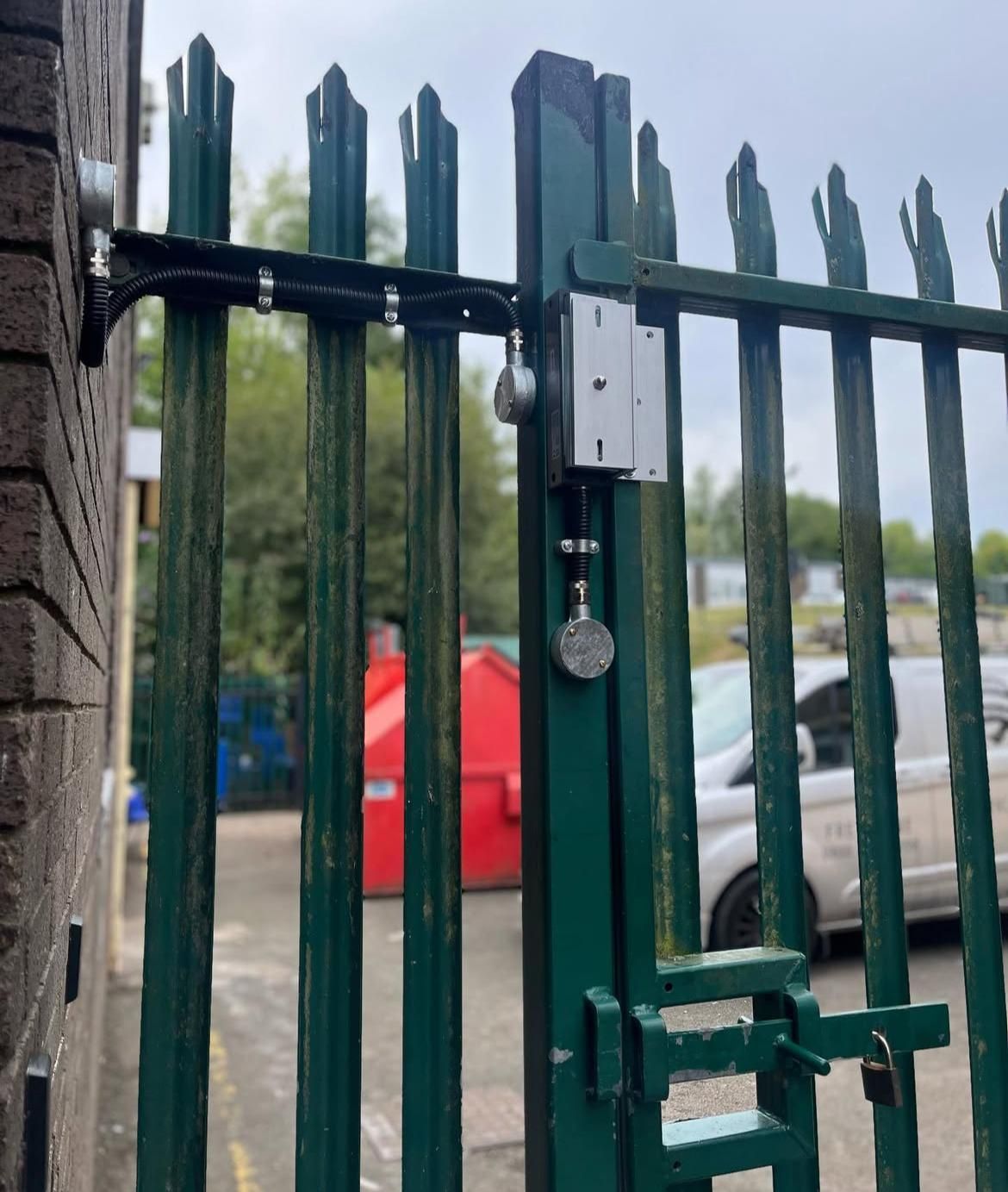
Access control & gates
Entry that survives twenty liveries, a farrier, a vet and a feed delivery, without a key under the water trough.
Remote monitoring & connectivity
Getting a picture off a building with no broadband, and getting a response when something happens at 3am.
Fire detection
Early warning in stable blocks, hay and straw stores and workshops, where a fire is unsurvivable within minutes.
Servicing & maintenance
Lens cleaning, seal checks, battery replacement and signal tests, because rural kit weathers faster.
Next step
Book a survey of the holding
An engineer walks the yard, the buildings and the approaches with you, checks power and signal at each building, and writes up a specification and a price. No charge, and phased if it makes sense to start with the entrance.